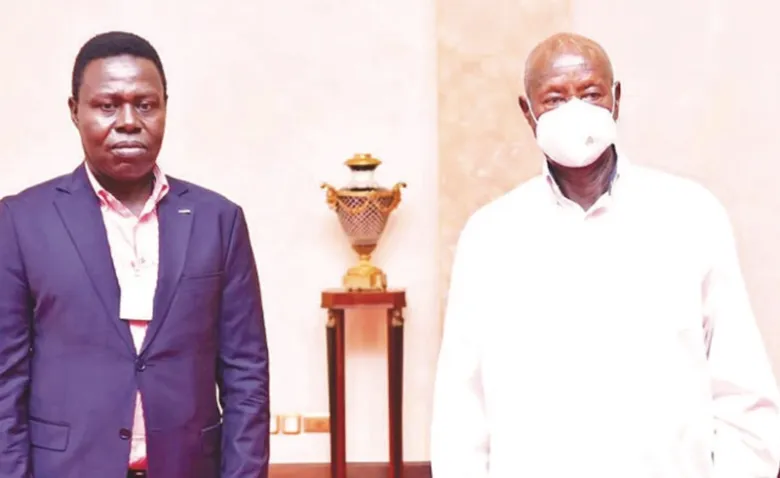
Kampala, Uganda — President Yoweri Museveni has called on Members of Parliament to prioritize funding for critical national projects, including a locally developed cancer and diabetes treatment by Ugandan innovator David Ssenfuka.
Addressing legislators from the ruling National Resistance Movement (NRM) parliamentary caucus, Museveni emphasized the need to allocate resources toward scientific innovation, highlighting Ssenfuka’s drug as a key project with potential national and global impact.
“There are young people who have discovered drugs… there is a boy called Ssenfuka who has discovered medicines for diabetes and cancer. These must be funded,” Museveni told MPs.
The president noted that investing in such innovations would be a one-off expenditure, unlike recurring government costs such as salaries, arguing that Uganda stands to benefit significantly if the drug is successfully developed and commercialized.
Push for Local Innovation
Museveni’s support follows months of engagements with Ssenfuka, who has reportedly presented his work before Cabinet on several occasions. The herbal-based treatment is still under development, with efforts underway to transition it into a scientifically validated and internationally accepted drug.
Sources indicate that the government sees potential in scaling the medicine through further research, including human clinical trials and eventual industrial production.
Rising Burden of Non-Communicable Diseases
The push comes amid growing concern over non-communicable diseases in Uganda, including cancer and diabetes, which account for an estimated 35% of deaths nationwide. Health experts say increased investment in research and treatment options is critical to addressing the burden.
Testimonials and Controversy
Several Ugandans, including prominent figures, have publicly testified about improvements in health conditions after using Ssenfuka’s herbal formulations. Among them is former Chief Justice Samuel Wako Wambuzi, who described government support for the project as “long overdue.”
Patients and families have also shared accounts of recovery or improved conditions after using the treatment, particularly in cases where conventional therapies were declined or proved ineffective.
However, the medicine has not yet undergone full scientific validation or regulatory approval, raising questions within sections of the medical community about efficacy, safety, and standardization.
What Comes Next
If Parliament approves funding in the 2026 national budget, Ssenfuka is expected to expand research efforts, including human trials, and potentially establish a manufacturing facility to produce the drug in standardized forms such as tablets, syrups, or injectables.
Speaking briefly on the development, Ssenfuka said his decade-long investment in the project is beginning to yield results.
“I have made progress, including animal trials with positive results, but there is only so much I can do alone. I’m grateful for the President’s vision to support innovators,” he said.
The exact amount of funding to be allocated remains unclear, but the proposal is expected to spark debate among policymakers as Uganda balances innovation, public health priorities, and scientific regulation.
