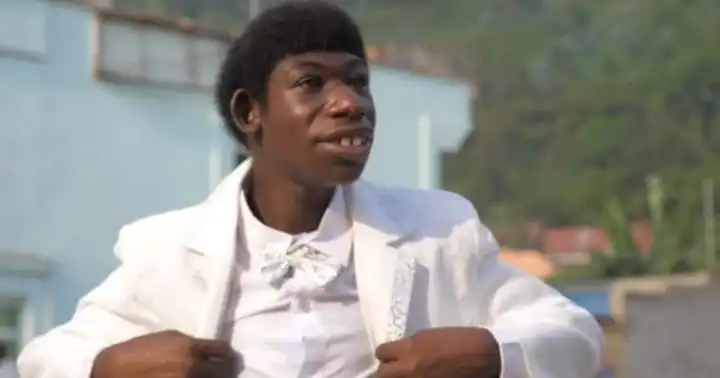
The story of Nsanzimana Elie is one of the most powerful human-interest narratives to emerge from Rwanda in recent years—an emotional journey from rejection and ridicule to dignity, care, and global recognition.
Once mocked, isolated, and misunderstood, Elie is today a symbol of resilience, compassion, and the life-changing impact of community support.

A Childhood Marked by Pain and Isolation
Born in rural southern Rwanda in 1999, Elie entered the world under difficult circumstances. He was later identified as living with microcephaly, a rare neurological condition that affects brain development and cognitive function.
As he grew up, Elie struggled to communicate and interact with others. His condition led to behaviors that many in his community did not understand. Instead of receiving care and inclusion, he faced harsh stigma.
Locals, driven by ignorance and fear, gave him dehumanizing nicknames and often avoided him. Children ran away at the sight of him, while some adults openly mocked him. His early life became defined by loneliness, rejection, and survival in the margins of society.
At times, Elie wandered into nearby forests, feeding on fruits and living in near isolation—an image that would later circulate online and shock the world.
A Mother’s Unbreakable Faith
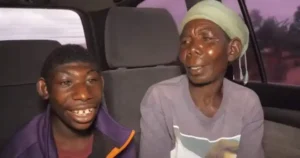
Through all the hardship, one person never abandoned him—his mother.
Despite losing other children before Elie, she remained steadfast, refusing to give up on her son. While the community saw a burden, she saw a blessing. She defended him, protected him, and continued to hope for a better future, even when none seemed possible.
Her unwavering belief would later prove to be the foundation of Elie’s transformation.
The Viral Moment That Changed Everything
Elie’s life took a dramatic turn when videos and photos of him began circulating online. What started as local curiosity quickly turned into a global story.
People across Africa and beyond were moved by his condition and the way he had been treated. Social media users, activists, and humanitarian groups began calling for support and intervention.
The story went viral—transforming Elie from a forgotten figure in a rural village into a global symbol of neglect, but also hope.
A New Beginning: Support, Care, and Dignity
As attention grew, help followed.
Well-wishers and organizations stepped in, providing financial assistance, basic necessities, and access to care. Elie was moved into a safer environment where he could receive proper attention and begin rehabilitation.
He was enrolled in a specialized learning center where caregivers worked patiently with him to improve his communication and social interaction skills. For the first time, Elie experienced structured support and human connection beyond his family.
Gradually, visible changes began to emerge.
Transformation That Captured the World

Photos of Elie’s new life soon replaced the earlier images of neglect.
He was seen wearing clean, stylish clothes, smiling, and interacting with people. His confidence grew, and so did public interest. What had once been a story of ridicule evolved into one of admiration.
Today, Nsanzimana Elie is often recognized in public, with many people eager to take photos with him. His presence, once avoided, is now embraced.
Changing Perceptions and Breaking Stigma
Elie’s transformation has done more than change his personal life—it has challenged deeply rooted societal attitudes.
His story has sparked conversations about how communities treat individuals with disabilities, particularly in rural areas where awareness is limited. It has also highlighted the dangers of stigma and the importance of education, empathy, and inclusion.
Advocates say his journey underscores a broader issue across parts of Africa, where individuals with neurological or developmental conditions are often misunderstood or marginalized.
A Symbol of Hope and Humanity
Today, Elie stands as a powerful reminder of what can happen when compassion replaces cruelty.
His journey—from being called names to being celebrated—illustrates the transformative power of awareness and collective action. It also reinforces a critical message: every human being deserves dignity, regardless of their condition.
For many, his story is not just about one man—it is about a society learning to do better.
Looking Ahead
While challenges remain, Elie’s future is far brighter than his past. With continued support, care, and inclusion, he represents the possibility of change—not just for himself, but for countless others facing similar struggles.
As his story continues to spread, Nsanzimana Elie is no longer defined by the labels once forced upon him. Instead, he is known for something far more powerful: resilience, humanity, and hope.
