Billions spent on biometric kits fail as Ugandans face delays on election day
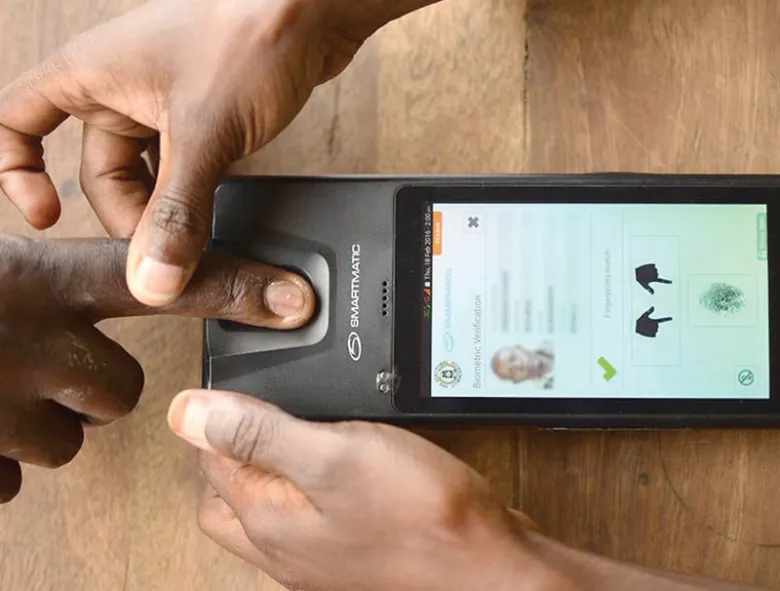
Early on 15 January 2026, Ugandans arrived at polling stations across the country to vote in the presidential and parliamentary elections, expecting a smooth process powered by new technology. Instead, the day quickly stalled as the biometric voter verification kits (BVVKs) — introduced to prevent fraud and enforce “one person, one vote” — failed to operate.
Polling was scheduled to begin at 7:00 a.m., but queues had already formed by 6:30 a.m., particularly in Kampala, Makerere–Kikoni, and other districts. Many voters waited for hours as machines refused to activate.
“We are waiting for a code from the Electoral Commission to activate the machines,” a polling assistant told voters at St. NUWA polling station. By mid-morning, some voters at Naguru One had left without casting ballots.
Widespread technical failures
The Electoral Commission had procured 109,142 biometric kits at a cost of Shs 268.38 billion, providing two devices for each of the 50,739 polling stations. The devices, supplied by Sim Valley, were equipped with fingerprint scanners and facial recognition software.
Despite prior warnings from Parliament and election observers about their reliability, the machines failed in multiple locations. In Wakiso District, 17 polling stations received no biometric devices at all. In other areas, polling assistants did not report for duty, forcing election supervisors to recruit volunteers from queues, offering Shs 100,000 for the day. Some stations were relocated without notice, adding to voter confusion.
Electoral Commission response
Under mounting pressure, Electoral Commission chairperson Justice Simon Byabakama instructed polling officials to abandon biometric verification where machines failed and proceed using the National Voters Register.
“Where a biometric machine fails to start or function, the voting process should commence immediately so as not to disenfranchise voters,” Byabakama said. He apologised for the delays and extended polling hours to accommodate voters left in long queues.
Voting eventually began around 9:30 a.m. in some areas, and closer to midday in others. Even President Yoweri Museveni, 81, experienced problems with the machines at Rwakitura in Kiruhura District. “It did not accept my fingerprints,” he said. “But when they put my face, the machine recognised me.”
Museveni suggested delays may have been worsened by staff who failed to submit operator biodata on time.
Opposition criticism
Opposition leaders were sharply critical. Bobi Wine (Robert Kyagulanyi Ssentamu) called the machines “not even working” and warned against interference, urging citizens to protect their votes peacefully.
Other candidates described the failures as systemic. Mubarak Munyagwa said delays undermined the legal basis of the vote, while Mugisha Muntu called the breakdown a “systemic failure” after some districts waited up to six hours. Nandala Mafabi demanded an audit of the billions spent and the arrest of the Electoral Commission chairperson, and Robert Kasibante alleged deliberate sabotage.
Fragility of the voting process
The biometric failures compounded an election already marked by internet shutdowns, heavy security, and widespread mistrust. For many voters, the delays were more than an inconvenience—they highlighted the fragility of Uganda’s democratic process.
By the end of the day, ballots had been cast, but confidence in the election machinery had been shaken. The biometric kits, intended to guarantee transparency, instead became symbols of vulnerability, leaving voters questioning whether the process was credible.
As Ugandans tally the results, the question remains: did the technology reinforce democracy, or did its failure deepen doubts about the integrity of the vote?
