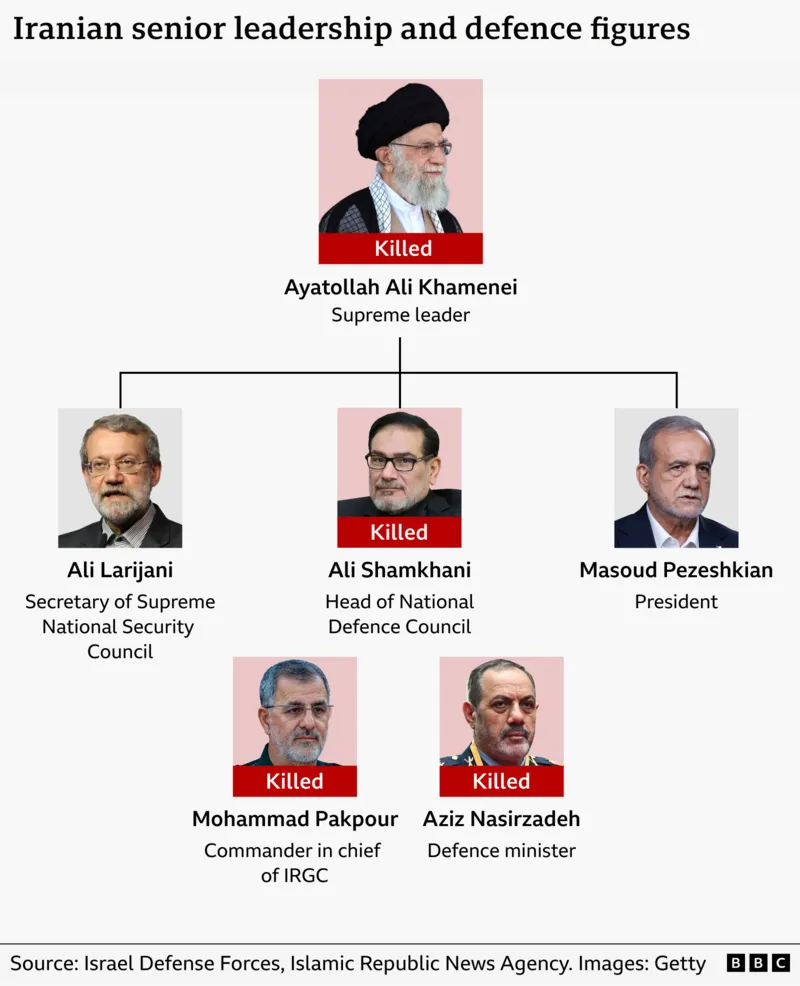
Renewed military conflict has erupted in the Middle East after coordinated strikes by the United States Armed Forces and Israel Defense Forces against targets inside Iran, igniting widespread concern and questions about the origins and duration of the war.
What Prompted the US–Israel Attack on Iran?
The United States and Israel launched a significant air campaign against Iran earlier this week, targeting military infrastructure, strategic sites in Tehran, and ballistic missile facilities. Officials from both countries justified the strikes as pre-emptive measures to counter what they described as “imminent threats” posed by Iran’s nuclear and missile programs. U.S. leaders also argued the offensive was necessary to deter potential Iranian attacks on American forces and regional allies.
Israeli authorities, meanwhile, long viewed Iran’s nuclear ambitions and regional proxy networks — such as Hezbollah — as existential threats to national security, motivating the timing of the offensive. Iranian retaliation has followed swiftly, with missile and drone strikes targeting Israel and U.S.-aligned bases in the Gulf.
Global Backlash and Diplomatic Fallout
International responses have been swift and polarized. The United Nations Secretary-General condemned the attacks, warning they violate international law and risk widening the conflict, while urging de-escalation and a return to diplomacy. Major powers such as Russia and China have criticized the strikes as “unprovoked aggression,” citing concerns over regional stability and civilian harm.
How Long Could the War Last?
Estimating the duration of the conflict remains difficult, with leaders offering varying timelines:
-
U.S. President Donald Trump initially suggested the campaign could last around four to five weeks, but conceded it might extend beyond that if required.
-
Israeli Prime Minister Benjamin Netanyahu said the conflict could “take some time” but insisted it would not drag on for years, distancing it from past prolonged Middle Eastern wars.
-
Independent analysts note that both sides are preparing for a potentially longer struggle, especially as retaliatory attacks broaden across the region and logistics pressures on U.S. military supplies grow.
The lack of a fixed end date underscores the unpredictable nature of the conflict, particularly as new fronts open and external actors — including Iran-backed militias and other Gulf states — are drawn into hostilities.
Regional and Global Impacts
The escalation has already impacted global energy markets due to fears of disruption to oil through the Strait of Hormuz and raised alarms about the wider geopolitical fallout. Economies reliant on Middle Eastern energy exports are watching closely as strikes continue without a clear plan for de-escalation.
Diplomats and conflict analysts emphasize that without urgent mediation and renewed negotiations on nuclear and security issues, the war could extend well beyond initial projections, with grave humanitarian and economic consequences.
