BREAKING: Western Nations Press Tanzania to Release Bodies of Post-Election Victims as Human Rights Concerns Grow
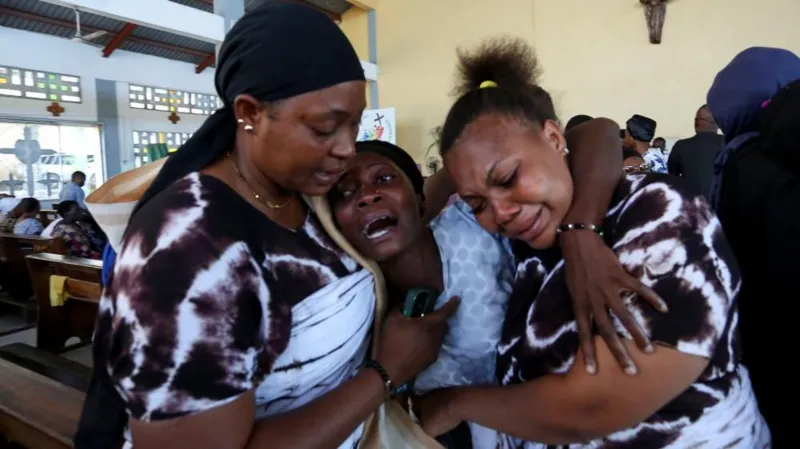
Dar es Salaam, Tanzania — Western embassies in Tanzania, including the UK, France, Canada, Norway and several EU member states, have issued a rare joint statement demanding that authorities release the bodies of all victims killed in October’s post-election violence to their families.
The 17 missions say they have received “credible reports” pointing to extrajudicial killings, disappearances, arbitrary arrests, and the concealment of bodies by Tanzanian security forces during the violent aftermath of the 29 October presidential election.
Tanzania Responds as Pressure Intensifies
In response, the Tanzanian government said it had established a commission of inquiry to investigate what it described as the “unfortunate events,” urging foreign governments to wait for the findings before casting judgment.
Independent human rights groups estimate that hundreds were killed, though the government has not released an official death toll.
The unrest erupted after President Samia Suluhu Hassan was declared the winner with nearly 98% of the vote in an election where major opposition rivals were barred, triggering widespread anger and mass demonstrations.
Authorities quickly imposed an internet blackout and threatened arrests for sharing photos and videos from the protests. President Samia has repeatedly defended the election’s fairness and dismissed criticism of her human rights record.
Crackdown, Treason Charges and Ongoing Detentions
More than 240 people were charged with treason after the protests, though many have since been released following the president’s call for prosecutors to “show leniency.”
Opposition leader Tundu Lissu, arrested in April, remains behind bars facing treason charges.
UN human rights officials say the situation has worsened since the vote.
UN spokesperson Seif Magango told a briefing in Geneva that the government had “intensified a crackdown against opponents”, reporting dozens of detentions—including academics and civil society leaders—some allegedly seized by unidentified armed personnel.
The UN estimates that hundreds were killed and more than 2,000 people detained after the election.
Western Embassies Demand Accountability
In their joint statement, Western missions called on Tanzania to:
-
Release all political prisoners
-
Ensure detainees have access to legal and medical assistance
-
Hand over the bodies of all victims to their families immediately
They also welcomed the government’s commitment to an investigation but insisted it must be independent, transparent, and inclusive, with civil society, faith groups and political actors involved.
“We reiterate our call for the government to uphold its international commitments to protect fundamental freedoms and constitutional rights,” the statement read.
US Reconsiders Relations With Tanzania
The U.S. State Department said on Thursday it was reassessing relations with Tanzania over the government’s “heavy-handed response” to protesters, warning it “cannot overlook actions that jeopardize regional stability.”
President Samia Hits Back at ‘Western Interference’
In a defiant speech on Tuesday, President Samia accused Western governments of interfering in Tanzania’s internal affairs, defending the use of force as “necessary” to stop protesters who she claimed “were ready to overthrow the government.”
She repeated accusations—without evidence—that unnamed foreign actors had conspired with opposition groups in a plot for “regime change.”
The president warned that her administration was prepared to confront fresh demonstrations expected next week.
A Shifting Political Climate
President Samia, who took office in 2021 after the death of John Magufuli, was initially praised for easing political restrictions. But rights groups say the political space has once again narrowed sharply, with the latest post-election violence marking one of the country’s most serious democratic crises in years.
As diplomatic pressure mounts, Tanzania faces growing international scrutiny over its handling of dissent, human rights, and the treatment of families still waiting to bury their loved ones.
