Uganda to Evacuate Citizens from South Africa as Xenophobic Violence Escalates
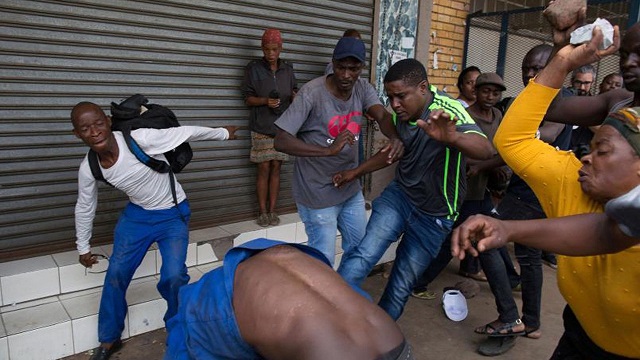
KAMPALA, Uganda — The Government of Uganda has announced an emergency evacuation plan for Ugandan nationals living in South Africa following a surge in xenophobic violence and anti-migrant protests that have heightened security concerns for foreign residents.
In a statement issued on June 28, 2026, the Ministry of Foreign Affairs said President Yoweri Kaguta Museveni directed government agencies to facilitate the safe return of Ugandans who wish to leave South Africa because of the worsening security situation.
The evacuation exercise is being coordinated by the Ministry of Foreign Affairs in collaboration with the Office of the Prime Minister, the Ministry of Internal Affairs, the Ministry of Works and Transport, the Uganda High Commission in South Africa, and leaders of the Ugandan community living in the country.
More Than 740 Ugandans Register for Evacuation
According to Haruna Kyeyune Kasolo, the Acting Minister of Foreign Affairs, 746 Ugandans have voluntarily registered for evacuation, with officials expecting more citizens to sign up in the coming days.
The government noted that some Ugandans had already left South Africa on their own amid fears of escalating violence and reports of a June 30 deadline allegedly issued by anti-migrant vigilante groups.
Government to Fund Evacuation Flights
Kasolo said the evacuation process will include registering Ugandans across South Africa’s provinces, transporting them to designated assembly points, issuing emergency travel documents where necessary, and coordinating with immigration authorities to facilitate their departure.
He confirmed that the Government of Uganda will fully fund the evacuation flights to ensure affected citizens return home safely.
Officials also said Uganda continues to engage the South African government to guarantee the safety and protection of Ugandans who remain in the country.
Ugandan Killed in KwaZulu-Natal
The government also confirmed the death of a Ugandan national during the recent unrest.
Uganda’s High Commissioner to South Africa, Ambassador Paul Amoru Omiat, identified the deceased as Wilber Niwamanya, also known as Joseph Ainebyona, who worked as a motorcycle delivery rider.
Preliminary reports indicate that he was attacked by a group of assailants who allegedly stole his motorcycle before fleeing.
The Ugandan High Commission has formally requested South African authorities to preserve the body while arrangements are made for its repatriation to Uganda.
The mission has also urged investigators to thoroughly examine the incident and ensure those responsible are arrested and prosecuted.
Rising Xenophobic Tensions
Uganda’s evacuation decision comes as South Africa faces one of its most significant waves of anti-migrant unrest in recent years.
For several months, anti-immigration groups have organized demonstrations across different provinces, accusing foreign nationals of taking employment opportunities, contributing to crime, and placing pressure on public services.
Some groups have demanded stricter action against undocumented migrants and reportedly issued an ultimatum for foreigners living illegally in South Africa to leave by June 30, increasing anxiety among migrant communities.
Thousands of foreign nationals have reportedly sought refuge in temporary shelters, approached embassies for assistance, or requested voluntary repatriation.
Regional Response
South African President Cyril Ramaphosa has condemned attacks against foreign nationals and warned against acts of vigilantism, while security agencies have intensified deployments in anticipation of possible violence.
The latest unrest mirrors previous outbreaks of xenophobic violence that have affected South Africa since 2008.
Uganda joins several African countries that have begun repatriating their citizens from South Africa. Malawi, Nigeria, Ghana, Mozambique, and Zambia have all announced measures to assist nationals wishing to return home, while Namibia has advised its citizens to remain vigilant and maintain contact with diplomatic missions.
International humanitarian organizations have also expressed concern over the safety of migrants, refugees, and asylum seekers who remain vulnerable as tensions continue to escalate.
The Ugandan government has urged all citizens still in South Africa to stay in contact with the Uganda High Commission and register for evacuation if they believe their safety is at risk.
