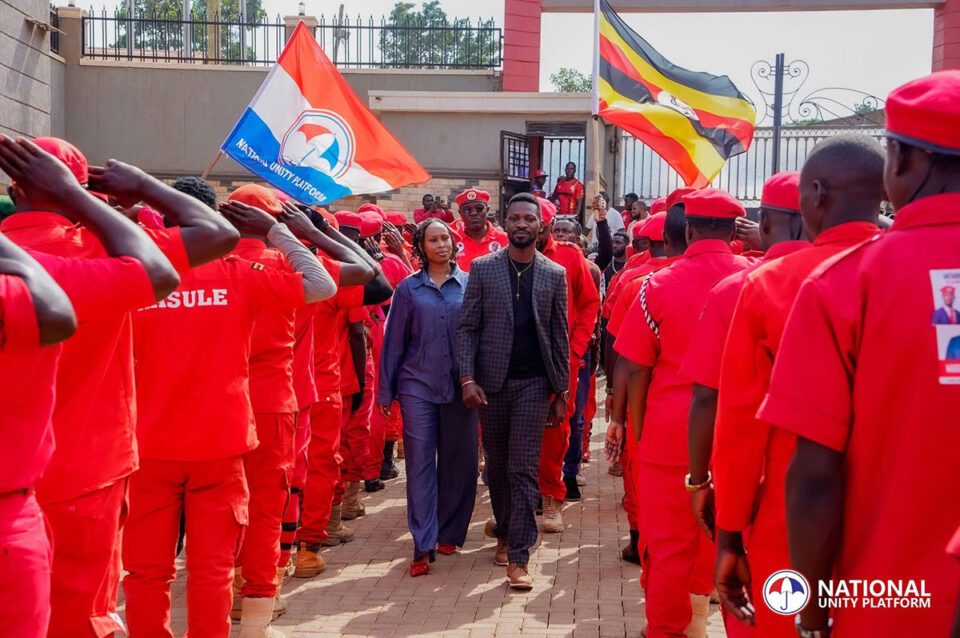
For generations, the word “Foot Soldier” was reserved for the battlefield—an unmistakable reference to infantrymen who marched on foot, fought at close range, and formed the backbone of military operations.
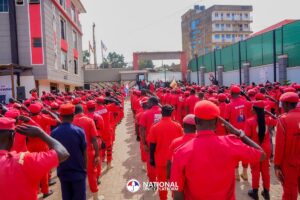
Today, however, Uganda has redefined the term. What once belonged strictly to the barracks has become a powerful political badge, widely embraced by grassroots activists, mobilisers, and youth movements across the country.
Military Roots: Where the Term Began
The origins of “foot soldier” stretch back centuries. Around the world, the phrase has long referred to infantry fighters who operated without the aid of horses or vehicles.
In East Africa, the language began to take root during the colonial era when African troops served in the King’s African Rifles—a unit composed primarily of infantrymen. These soldiers embodied the very essence of foot soldiering: long marches, rugged terrain, and close-range combat.
Their experiences seeded the earliest understanding of the term in the region.
How the Term Entered Uganda’s Public Language
Uganda’s early post-independence years were marked by coups, regime changes, and intense military visibility. As soldiers became central figures in political transitions, military terminology filtered steadily into civilian conversation.
By the 1980s, during the National Resistance Army (NRA) guerrilla war, the symbolism of ground-level fighters took on new significance. Fighters who walked long distances, carrying supplies and engaging in battle on foot, reinforced the image of the foot soldier—even as the phrase itself was still mostly confined to military circles.
From Barracks Language to Political Vocabulary
The shift from literal to metaphorical use began in the early 2000s. As Uganda’s multiparty politics expanded, political organisations increasingly relied on large networks of grassroots mobilisers to engage communities, canvass neighbourhoods, and drive local campaigns.
These workers were not soldiers in uniform, but their relentless, on-the-ground labour mirrored the grit of traditional foot soldiers.
And so the term evolved.
A “Foot Soldier” was no longer just a military operative—it became an identity for anyone willing to push a political agenda forward through hard, sometimes risky, frontline work.
A New Political Identity Emerges
By the 2010s, the term had become a rallying cry, especially among young political activists. Youth-driven movements, energised by demands for democratic participation and social justice, embraced “Foot Soldier” as a symbol of:
-
loyalty
-
resilience
-
sacrifice
-
activism
Rallies, street demonstrations, and digital campaigns began to spotlight self-proclaimed foot soldiers—ordinary Ugandans who saw themselves as the front line of political change.
A Term Reinvented for a New Era
Today, “Foot Soldier” is woven deeply into Uganda’s political discourse. It represents the strength of grassroots mobilisation, the courage of everyday citizens, and the determination of those who believe change begins from the ground up.
Though its imagery is unmistakably militaristic, its modern meaning is far more symbolic:
commitment, action, and unwavering loyalty to a political cause.
From Battlefield to Ballot Box
The journey of the term—from colonial infantry ranks to the heart of Uganda’s civic and political life—reveals a nation where language, activism, and history intersect.
“Foot Soldier” has evolved into more than a label. It is now a potent identity carried proudly by thousands who see themselves not as combatants, but as frontline agents of political and social transformation.
