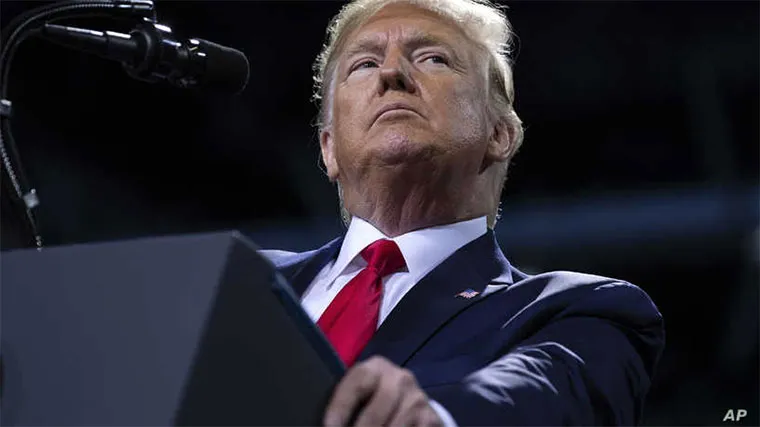
KAMPALA, Uganda – March 26, 2026 — Uganda is facing growing uncertainty following a significant shift in United States policy toward Africa, as the administration of Donald Trump moves away from traditional aid-driven engagement toward a more transactional, interest-based approach.
The policy direction, outlined last week by senior U.S. State Department official Nick Checker, signals what Washington describes as a “reset” in relations with African nations. The new strategy prioritizes trade, private investment, and geopolitical interests over long-standing frameworks centered on humanitarian assistance and development aid.
For Uganda, a country that has historically benefited from extensive U.S. support in health, governance, and security, the implications could be far-reaching.
Shift From Aid to Investment
For decades, U.S. engagement in Africa has largely been defined by programs such as PEPFAR and initiatives led by USAID. These efforts have played a critical role in shaping Uganda’s public health systems, civil society, and development agenda.
However, under the new policy, Washington is repositioning Africa as a strategic economic partner rather than a recipient of aid. Officials say the focus will now be on “commercial diplomacy,” encouraging trade deals, infrastructure investment, and private sector growth.
Africa’s rapidly expanding population and economic potential have become central to this recalibration, with U.S. policymakers viewing the continent as a key player in global markets and supply chains.
Strategic Interests and Competition
The shift also reflects intensifying global competition, particularly over Africa’s vast natural resources. Critical minerals such as cobalt and rare earth elements are increasingly seen as vital to global industries, placing countries like Uganda in a strategic position.
Uganda’s emerging oil and mineral sectors could attract increased U.S. interest, but analysts warn that this may come with stricter conditions around transparency, governance, and market reforms.
Uncertainty Over Aid and Health Programs
The new approach introduces uncertainty around foreign assistance, especially in health sectors heavily reliant on U.S. funding. Officials have indicated that aid will now be treated as “strategic capital,” tied more directly to U.S. national interests and performance benchmarks.
This raises concerns about the future of long-standing programs, particularly in countries like Uganda that depend on external support for healthcare and social services.
While U.S. policymakers argue the shift promotes self-reliance, experts caution that the transition could strain systems where domestic capacity remains limited.
Security and Regional Influence
In the security space, the U.S. appears to be adopting a more pragmatic stance, focusing on stability and conflict resolution rather than governance reforms. This could reinforce Uganda’s role as a regional security partner, particularly in operations across East Africa.
At the same time, the reduced emphasis on democratic accountability may reshape diplomatic relations, drawing mixed reactions from policymakers and civil society groups.
A New Era of Engagement
The broader shift reflects a change in philosophy, with U.S.–Africa relations now framed explicitly around mutual national interests. While officials present the approach as aligning “America First” with African priorities, it introduces a more transactional dynamic.
For Uganda, this presents both opportunity and risk.
The emphasis on trade and investment aligns with the country’s ambitions for industrialization and economic growth. However, reduced reliance on aid and increased conditionality could expose vulnerabilities in key sectors.
As Uganda navigates this evolving landscape, its ability to balance partnerships with global powers, including the United States and China, will be critical.
With the 2030 Sustainable Development Goals deadline approaching, the stakes remain high. Whether this policy shift delivers tangible benefits or deepens uncertainty will depend on how effectively both sides adapt to this new model of engagement.
For now, one thing is clear: the era of aid-first diplomacy is fading, and Uganda stands at a pivotal moment in redefining its relationship with Washington.
