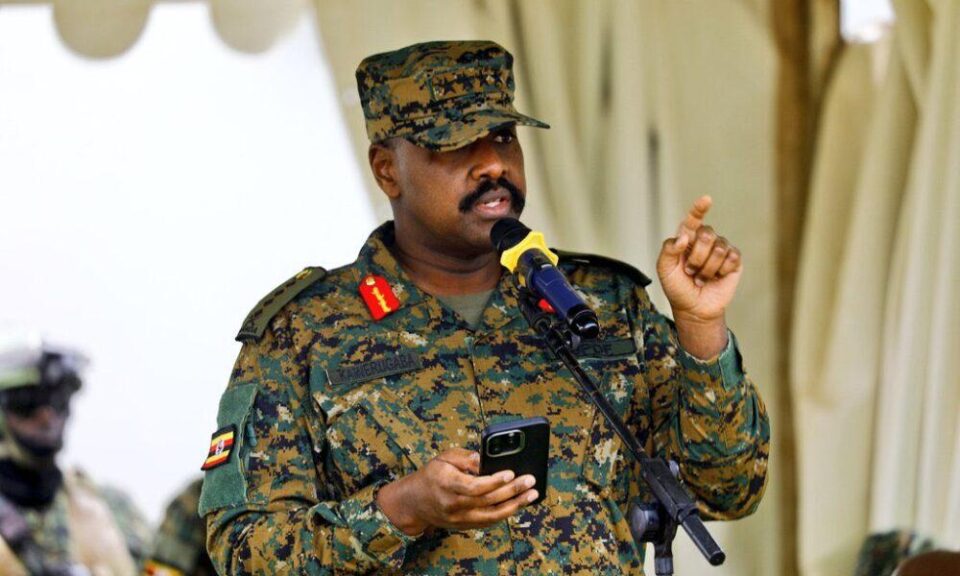
KAMPALA, Uganda – March 27, 2026 — Uganda’s Chief of Defence Forces, Muhoozi Kainerugaba, has sparked nationwide debate after proposing the arrest of what he described as “fake pastors” and calling for mandatory theological qualifications for all church leaders.
In a statement shared on his X (formerly Twitter) account early Thursday, Muhoozi Kainerugaba said that if the Patriotic League of Uganda (PLU) assumes power, it would implement sweeping reforms targeting unregulated religious institutions.
“You can be sure of one thing: the day PLU takes over government we will arrest ALL the fake pastors and churches all over the country!” he wrote.
Proposed Crackdown on ‘Fake Pastors’
Muhoozi indicated that individuals identified as “fake pastors” could face criminal charges, suggesting offences such as “insulting God.” He further proposed that leading a church should require at least a formal degree in theology, arguing that religious leadership should meet defined academic and professional standards.
The remarks have quickly drawn attention across Uganda, where religious institutions play a central role in community life, including education, healthcare, and social services.
Regional Comparison: Rwanda’s Church Reforms
Muhoozi’s proposal mirrors regulatory measures introduced in Rwanda under President Paul Kagame.
In 2018, Rwanda implemented reforms requiring pastors to hold at least an undergraduate degree in theology, alongside operational standards for churches. These included minimum membership thresholds and infrastructure requirements.
Enforcement intensified in 2024, when authorities inspected more than 13,000 places of worship, leading to the closure of thousands of churches that failed to comply with legal and operational standards. Additional measures introduced in 2025 included stricter financial compliance rules and tighter oversight of public religious gatherings and foreign preachers.
President Paul Kagame has defended the crackdown, stating it was necessary to professionalise religious leadership and curb exploitation within rapidly expanding informal ministries.
Debate Over Regulation and Religious Freedom
In Uganda, similar proposals have historically triggered debate over the balance between regulation and religious freedom. Critics often argue that increased state control could infringe on constitutional rights, while supporters say oversight is needed to address exploitation and ensure accountability among religious leaders.
Muhoozi’s comments are expected to reignite discussions on how best to regulate Uganda’s fast-growing religious sector without undermining freedom of worship.
What’s Next?
While the proposal is not yet official government policy, it signals a potential shift in how religious institutions could be managed if such reforms were implemented.
Analysts say the conversation is likely to intensify in the coming days, as policymakers, religious leaders, and the public weigh the implications of stricter controls on churches and clergy qualifications.
The debate now centers on a critical question: how can Uganda balance accountability in religious leadership with the protection of fundamental freedoms?
