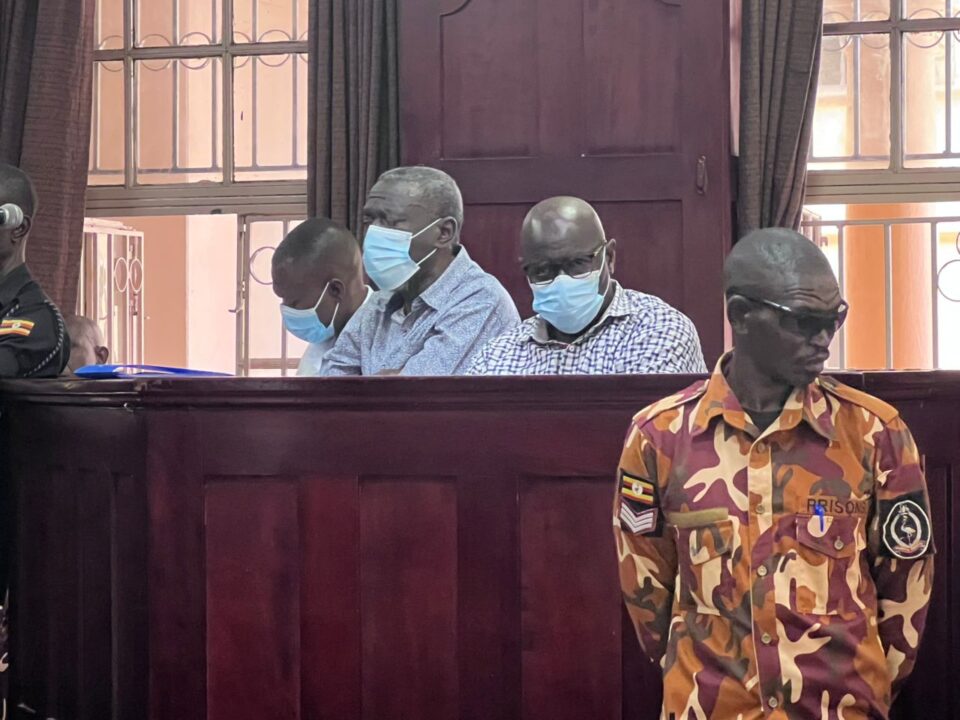
Besigye Lawyers Seek Constitutional Court Intervention Over ‘Rushed’ Trial Schedule
Lawyers representing veteran opposition politician Kizza Besigye are preparing to seek guidance from the Constitutional Court over what they describe as an accelerated trial schedule that could undermine the right to a fair hearing.
The development emerged during proceedings before Justice Emmanuel Baguma on Monday, where the court set June 8 for the final pre-hearing session and the swearing-in of assessors. The substantive hearing is expected to commence on July 11, when the prosecution will begin presenting its witnesses.
Despite the progress in a case that has seen Besigye spend more than 18 months in detention, the defence team argued that the timeline leaves insufficient room to review evidence and consult with their clients.
Lead defence counsel Erias Lukwago told the court that additional time was needed to allow confidential consultations with the accused persons and to properly prepare for trial.
According to the defence, preparations have been complicated by the recent disclosure of extensive prosecution evidence, including more than ten hours of audiovisual material and a large volume of documentary records.
However, the prosecution, led by Chief State Attorney Richard Birivumbuka, maintained that the defence had received adequate disclosure. Prosecutors cited previous disclosures made in January and March 2026, as well as additional information provided after the withdrawal of an application seeking witness identity protection.
The disagreement also revived debate over witness disclosure procedures. Prosecutors had earlier proposed identifying witnesses using letters rather than names, with their identities being revealed seven days before they testified. The proposal was later withdrawn after objections from the defence.
Prosecution lawyer Fred Mpanga subsequently suggested that the matter be referred to the Constitutional Court to determine whether a seven-day disclosure period complies with constitutional guarantees for a fair trial.
Justice Baguma indicated that a ruling on the request for Constitutional Court guidance would be delivered through the Judiciary’s Electronic Court Case Management Information System (ECCMIS).
The defence also raised concerns about inconsistencies in the prosecution’s evidence disclosures, noting that affidavits from only five witnesses had been served despite earlier indications that six witnesses would be called to testify.
Additional objections centered on delays in serving court documents. Defence lawyers argued that some prosecution materials were delivered after agreed deadlines, affecting their ability to adequately prepare their case.
Although the defence sought sanctions against the prosecution for the delayed service, Justice Baguma declined the request and ordered proceedings to continue.
The court’s upcoming ruling on the Constitutional Court referral request is expected to shape the next phase of the high-profile case and could have broader implications for witness disclosure procedures and fair trial standards in Uganda’s criminal justice system.
With the trial date approaching, legal attention is increasingly focused on whether the court will adjust the timetable or allow proceedings to move forward as scheduled.
