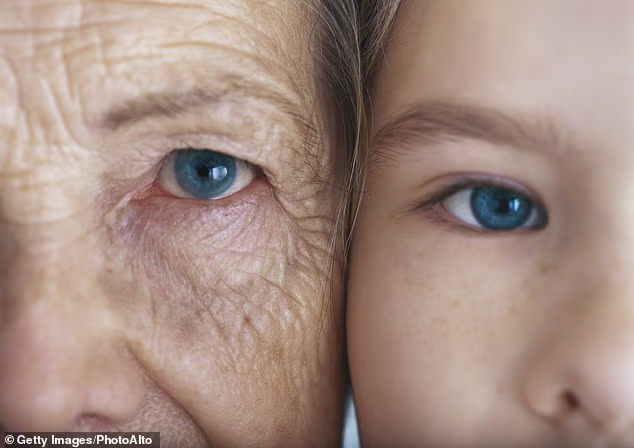
Want to live a longer, healthier life? Experts say reaching 100 may depend less on expensive treatments and more on simple habits practiced consistently throughout life.
Living to 100 is becoming increasingly common, but reaching an advanced age in good health remains a major challenge. Researchers studying centenarians have found that people who live exceptionally long lives often share a number of lifestyle characteristics.
While genetics play an important role, experts increasingly point to everyday behaviors—including physical activity, diet, sleep, social connections and stress management—as important factors that may support healthy ageing.
Stay Physically Active
Regular movement is one of the most consistent habits associated with healthy ageing.
Experts recommend incorporating physical activity into everyday life rather than relying solely on intensive workouts. Walking, gardening, cycling, swimming, stretching and strength exercises can all help maintain mobility and muscle strength as people get older.
Maintaining muscle and balance is particularly important in later life because falls and loss of physical independence can have serious consequences.
Eat a Balanced Diet
Food choices also play a major role in long-term health.
A diet centered around vegetables, fruits, whole grains, beans, nuts and other minimally processed foods can provide essential nutrients while supporting heart and metabolic health.
Experts generally advise limiting highly processed foods, excessive added sugar and large amounts of unhealthy fats.
Rather than following a short-term “longevity diet,” the emphasis is on developing sustainable eating habits that can be maintained for years.
Don’t Underestimate Sleep
Getting enough quality sleep is another important part of healthy ageing.
Poor sleep can affect concentration, mood, metabolism and cardiovascular health. Establishing a consistent sleep schedule and creating a comfortable, quiet sleeping environment can help improve sleep quality.
Adults who regularly struggle with sleep problems should consider discussing persistent symptoms with a healthcare professional.
Maintain Strong Social Connections
Longevity isn’t only about diet and exercise.
Researchers have repeatedly highlighted the importance of relationships, friendships and social engagement among older adults. Staying connected with family, friends and the wider community can provide emotional support and help reduce social isolation.
Regular conversations, community activities, volunteering and shared hobbies can all help people remain socially active as they age.
Keep Your Brain Active
Mental stimulation may also contribute to healthy ageing.
Learning new skills, reading, solving puzzles, playing music, engaging in creative activities and maintaining an active interest in the world can provide regular cognitive stimulation.
The goal isn’t necessarily to complete complicated brain-training exercises. Everyday activities that challenge the mind and encourage learning can also be valuable.
Manage Stress
Long-term stress can affect both mental and physical wellbeing.
Experts recommend finding practical ways to manage stress, whether through exercise, time outdoors, relaxation techniques, hobbies, social interaction or other healthy activities.
There is no single method that works for everyone. The important factor is finding sustainable ways to cope with the pressures of everyday life.
Avoid Smoking and Limit Harmful Habits
Avoiding tobacco remains one of the most important steps people can take to protect their long-term health.
Smoking is linked to numerous serious diseases and can significantly affect life expectancy. Limiting excessive alcohol consumption and avoiding other harmful substances can also support healthier ageing.
Maintain a Healthy Weight
Maintaining a healthy body weight can help reduce the risk of several chronic conditions, including cardiovascular disease and type 2 diabetes.
However, longevity experts generally emphasize overall health rather than chasing a particular number on the scale. Regular activity, nutritious food and good sleep can all contribute to maintaining a healthy weight.
Keep Your Sense of Purpose
Another characteristic frequently associated with healthy ageing is having a reason to remain engaged with life.
Purpose can come from work, family, volunteering, hobbies, community involvement or helping others. Having meaningful activities and goals can encourage people to remain mentally, physically and socially active.
Genetics Are Only Part of the Story
Scientists continue to study why some people reach 100 while others do not.
Genetics clearly influence longevity, but researchers have also found that lifestyle and environmental factors can affect the likelihood of developing age-related diseases.
Research involving large populations has found that people who eventually become centenarians often experience major diseases later in life—or avoid some of them altogether—compared with people who die at younger ages.
This suggests that longevity isn’t simply about surviving illness for longer. For some people, it may involve delaying the onset of major age-related diseases.
There Is No Guaranteed Formula for Living to 100
Although healthy habits can improve the chances of living a longer and healthier life, no routine can guarantee that someone will reach 100.
Ageing is influenced by a combination of genetics, environment, socioeconomic circumstances, access to healthcare and individual lifestyle choices.
The most practical lesson from longevity research is therefore not to search for a miracle pill or secret formula, but to build healthy habits that can be maintained over the long term.
