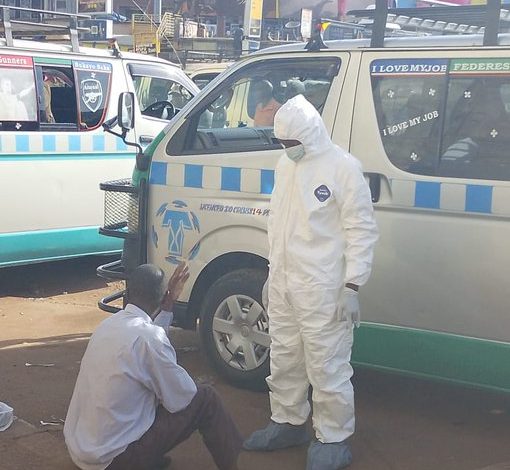
Uganda Ebola Cases Rise to 15 as Ministry of Health Confirms Six New Infections
Kampala, Uganda – The Ministry of Health has confirmed six additional Ebola cases in Uganda, raising the cumulative number of confirmed infections to 15 as health authorities intensify surveillance and contact tracing efforts.
In a statement issued on Tuesday, June 2, 2026, the Ministry said the newly confirmed cases were identified among individuals who had been listed as contacts of previously confirmed Ebola patients.
According to the latest update, Uganda has so far recorded one Ebola-related death since the outbreak was declared. Twelve patients are currently receiving treatment at designated health facilities, while two others have recovered and been discharged.
Health officials revealed that a total of 668 contacts are currently under active monitoring as part of efforts to contain the spread of the virus and prevent further transmission within communities.
The latest figures represent a significant increase from the nine cases that had been reported by the Ministry of Health on May 29. At the time, Director General of Health Services, Prof. Charles Olaro, confirmed two new infections involving individuals of Congolese origin, bringing the total number of cases to nine.
The confirmation of six additional cases has heightened public concern, with some Ugandans expressing fears that schools and other educational institutions could be closed to curb the spread of the disease.
However, government officials have dismissed such concerns, maintaining that there is currently no plan to shut down schools or suspend learning activities. Authorities have emphasized that educational institutions across the country will continue operating normally while health surveillance measures remain in place.
The Ministry of Health has urged the public to remain vigilant, observe recommended health guidelines, and promptly report any suspected Ebola symptoms to health authorities.
Uganda has previously experienced and successfully contained several Ebola outbreaks, with health officials expressing confidence that the current situation can be managed through rapid detection, contact tracing, isolation of cases, and community cooperation.
