Pakistan Court Sentences Man to Death Over Murder of TikTok Star Sana Yousaf
A court in Pakistan has sentenced a man to death for the murder of teenage TikTok influencer Sana Yousaf, a case that sparked nationwide outrage and renewed debate over violence against women and online harassment.
The Islamabad court handed the death sentence to 23-year-old Umar Hayat after he was found guilty of killing the 17-year-old social media star in June last year.
According to investigators, Hayat broke into Yousaf’s home after she repeatedly rejected his advances and shot her dead following an argument. During the investigation, Hayat admitted to the crime, telling authorities he had developed a one-sided obsession with Yousaf after interacting with her online.
The court also ordered Hayat to pay 2.5 million Pakistani rupees in compensation to Yousaf’s family.
Speaking after the verdict, Yousaf’s father, Syed Yousaf Hassan, described the ruling as “a lesson for all such criminals in society,” according to local media reports.
Investigators revealed that Hayat had travelled to Islamabad days before the killing in an attempt to meet Yousaf on her birthday. Despite her refusal, he managed to gain access to her residence, where the confrontation later turned deadly.
Before her death, Yousaf had built a massive online following, with more than one million followers on TikTok and over 500,000 followers on Instagram. She was widely known for sharing fashion trends, lip-sync videos, and lifestyle content that resonated with young audiences across Pakistan.
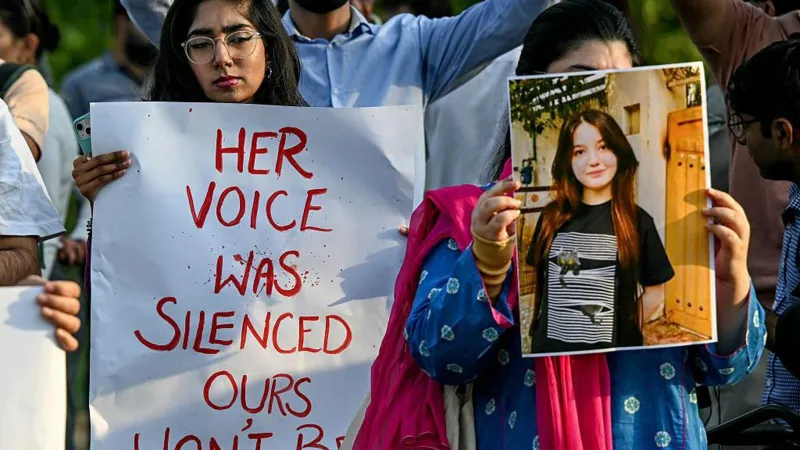
The murder triggered widespread condemnation from activists and women’s rights groups, who described the incident as part of a growing pattern of gender-based violence in the country.
Police launched a major investigation after the killing, conducting raids across Islamabad and Punjab province while reviewing footage from more than 100 CCTV cameras to trace the suspect.
The case also sparked intense debate on social media, where some critics targeted Yousaf’s work as a content creator. Digital rights activists condemned the backlash, arguing that female influencers in Pakistan increasingly face harassment, misogyny, and threats online.
Usama Khilji, director of digital rights advocacy group Bolo Bhi, previously said some online users questioned Yousaf’s social media presence on religious grounds.
Human rights activist Farzana Bari described the online reaction as “misogynistic” and “patriarchal,” warning that social media has become increasingly hostile for female content creators in Pakistan.
The verdict has reignited calls for stronger protections for women, tougher action against online harassment, and increased awareness about violence targeting female influencers and public figures.
