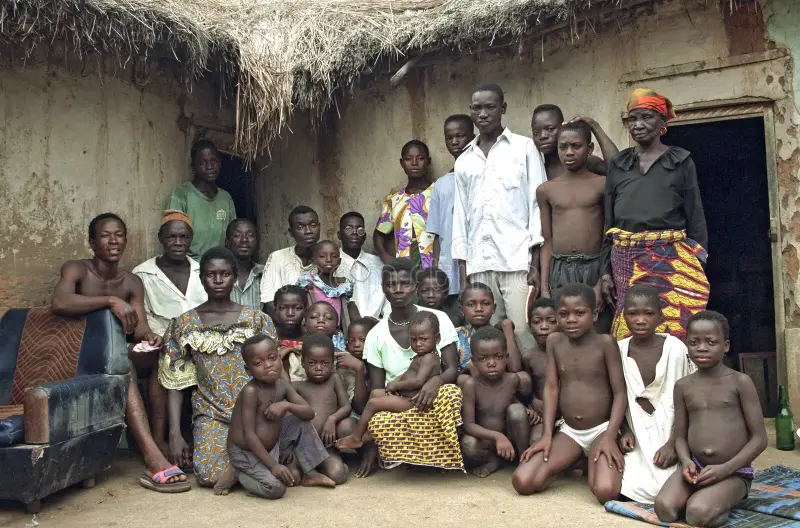
Minister Lugoloobi Warns Ugandans Over Rising Population Pressure, Calls for Family Planning
KAMPALA, Uganda — State Minister for Finance, Planning and Economic Development, Amos Lugoloobi, has urged Ugandans to embrace family planning and responsible parenthood, warning that the country’s rapidly growing population is putting increasing pressure on government resources and development efforts.
Speaking to journalists after appearing before Parliament’s Appointments Committee, Lugoloobi said Uganda’s high fertility rates remain a major obstacle to achieving sustainable economic growth and improving living standards.
Uganda currently has one of the youngest populations in the world, with approximately 44 percent of citizens below the age of 14. The country’s population is estimated at between 47 million people in 2026 and continues to grow at an annual rate of about 2.9 percent.
According to Lugoloobi, the government is implementing the National Development Plan IV (NDP IV) with the goal of transforming Uganda into a middle-income economy. However, he noted that rapid population growth is making it increasingly difficult to achieve key development targets.
“We are working under the National Development Plan IV to enable Uganda to attain middle-income status, but as a country we are facing bottlenecks caused by high population growth rates,” Lugoloobi said.
The minister expressed concern that many families continue to have large numbers of children without adequate planning, creating additional pressure on public services such as education, healthcare, housing, and employment.
“We are having challenges of high population growth rates which limit our ability to plan effectively. High fertility rates among women and couples are creating a burden on government resources,” he added.
Lugoloobi also called on men to play a more active role in family planning decisions, arguing that responsible parenthood is essential for building a productive and economically stable population.
“I am urging my male counterparts to plan for the pregnancies they are contributing to so that we have a manageable population that is not made up largely of dependants and a burden to the country,” he said.
Despite progress in infrastructure development, education, and economic reforms, Uganda continues to face development challenges. Lugoloobi noted that the country ranked 149th out of 189 countries on the Human Development Index based on 2020 data, highlighting the need for continued investment in human capital and social services.
His remarks come amid growing national discussions on population growth, unemployment, service delivery, and economic transformation. Policymakers and development experts have increasingly linked Uganda’s demographic trends to challenges in planning for schools, healthcare facilities, jobs, and other essential public services.
Experts argue that balancing population growth with economic opportunities will be critical if Uganda is to achieve its long-term development goals and improve the quality of life for millions of citizens.
