Opposition Raises Alarm Over Abductions and Media Closures in Uganda
KAMPALA, Uganda — Leader of the Opposition in Parliament Joel Ssenyonyi has expressed concern over what he described as increasing violations of the rule of law in Uganda, citing alleged abductions, prolonged detention of suspects without trial, and the closure of media houses as threats to constitutional democracy.
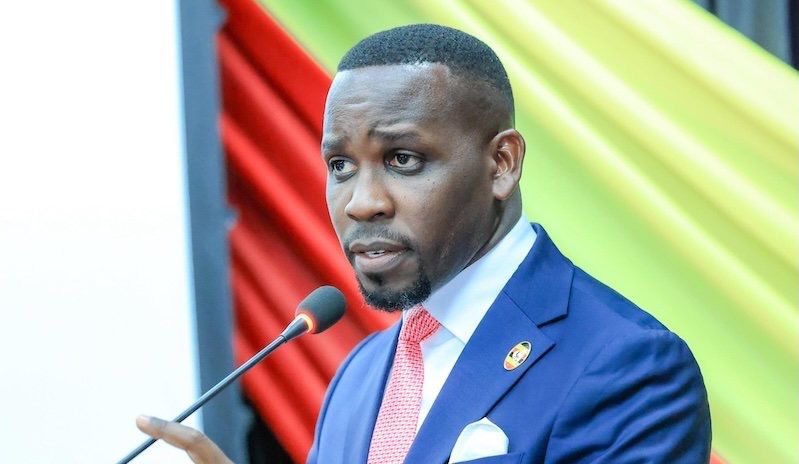
Speaking to newly elected Members of Parliament, Ssenyonyi urged legislators to put national interests above political affiliations and fulfil their constitutional responsibility of holding public institutions accountable.
Ssenyonyi Calls for Respect for the Rule of Law
Ssenyonyi said Parliament’s mandate extends beyond passing legislation to ensuring that all state institutions operate within the framework of the Constitution.
“It should concern all of us, regardless of our political differences, whenever we witness a disregard for the rule of law,” he said.
He argued that respect for constitutional principles is essential for protecting citizens’ rights and maintaining democratic governance.
Raises Concerns Over Alleged Abductions
The Opposition leader criticized what he described as a growing pattern of abductions and prolonged incommunicado detention of suspects by security agencies.
According to Ssenyonyi, Uganda’s Constitution clearly outlines procedures for arrests and detention, which should be followed by law enforcement authorities.
“The Constitution provides for how suspects are apprehended, but we continue to see people allegedly abducted and held for days without access to their families or lawyers. As representatives of the people, we must condemn such actions and ensure they do not happen,” he said.
Cites Miria Matembe’s Arrest
Ssenyonyi referenced the recent arrest of former Ethics and Integrity Minister Miria Matembe, arguing that authorities should have adhered to constitutional procedures if they intended to prosecute her.
He noted that Matembe was among those who contributed to drafting Uganda’s Constitution and deserved the protections guaranteed under the same legal framework.
“For someone who helped lay the constitutional foundation of this country, the least we can do is ensure due process is followed,” he said.
Opposition Criticizes Media Closures
Ssenyonyi also voiced concern over recent actions against media organizations, particularly the suspension of broadcasting operations affecting outlets under Nation Media Group Uganda.
He recalled that shortly after assuming office, Speaker Anita Among had assured journalists of unrestricted access to Parliament and welcomed media organizations that had previously faced restrictions.
However, he questioned why some of those same media houses were now being shut down.
“Today we are seeing media houses closed because they are holding leaders accountable. That should concern everyone who believes in democracy,” Ssenyonyi said.
He further noted that the Uganda Communications Commission (UCC) had indicated it was investigating the circumstances surrounding the media closures.
Strong Institutions Key to Democracy
The Opposition leader emphasized that Uganda’s democratic future depends on strengthening institutions rather than relying on individuals.
He defended criticism of public officials as a legitimate democratic right, arguing that elected leaders must remain accountable to citizens.
“Criticism should never be treated as an offence,” he said.
Ssenyonyi urged Members of Parliament from both the ruling National Resistance Movement (NRM) and opposition parties to work together in protecting constitutional governance, safeguarding media freedom, and ensuring respect for the rule of law.
He concluded by stressing that history has shown countries achieve lasting progress through strong institutions, independent oversight, and adherence to constitutional principles.
