Heavy Rain Destroys Homes and Crops in Lwengo District, Residents Seek Urgent Help
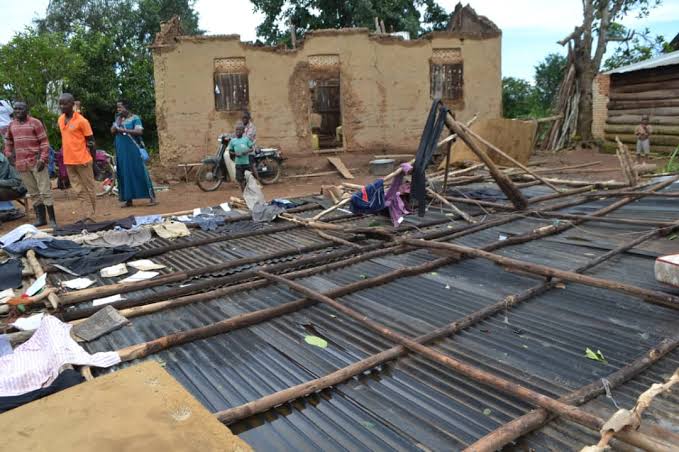
A powerful overnight rainstorm has destroyed dozens of homes, food gardens and other property in Lwengo District, leaving several families homeless and raising fears of food shortages.
The heavy downpour occurred overnight on Sunday and was accompanied by strong storms that lasted for more than two hours, causing widespread destruction in several villages in the district.
According to reports, the worst-affected areas include Kawule, Lwenkoma and Kyampalakata in Malongo Sub-county.
30 Houses Destroyed in Kawule
Kawule village recorded some of the heaviest damage, with about 30 houses destroyed by the storm.
In neighbouring Lwenkoma, at least 10 houses were reportedly razed to the ground, while more than 10 plantations in Kyampalakata were devastated by the heavy rainfall. A public school was also among the facilities affected by the storm.
The destruction has left families struggling to find shelter while farmers face the loss of crops that were nearing harvest.
Residents Fear Food Shortage
Affected residents have appealed to local leaders and the government for immediate assistance, warning that the destruction of food crops could result in hunger in the affected communities.
One resident, Samuel Nsamba, said his house was destroyed during the storm, leaving him and his family without a home.
The vice chairperson of Malongo Sub-county, Robert Ssekabira, said affected households urgently need food relief and construction materials to help them rebuild their homes.
Lwengo Leaders Seek Government Intervention
Lwengo District chairperson Abas Kizito said local leaders would engage area Members of Parliament to support the affected families as they await humanitarian assistance from the Office of the Prime Minister.
He also noted that many residents had been working in their gardens in preparation for the next planting season when the unexpected heavy rain destroyed their crops.
Local leaders are now calling for a swift government response to help families recover from the disaster.
Heavy Rains Raise Concern Across Uganda
The latest storm comes as Uganda enters the period that normally forms part of the country’s second major rainfall season, which typically runs from August to December.
However, rainfall in several parts of central Uganda has reportedly been delayed in recent years. Weather experts have also warned that some areas could experience destructive rainfall and advised communities to remain alert.
For families in the affected Lwengo villages, the immediate priorities remain shelter, food and assistance to restore damaged homes and gardens.
